
Help Your Child Learn to Read at Home (Without the Struggle)
If you’re trying to help your child learn to read at home, and it’s not going the way you expected, you’re not alone.
Many children don’t naturally “pick it up.” And when reading feels hard, they begin to avoid it. What starts as a small struggle can quickly turn into frustration for both of you. And that’s why the right kind of reading experience makes all the difference.
The good news is that learning to read doesn’t have to feel this way. A few simple shifts can make a meaningful difference.
Why Some Children Struggle to Learn to Read
Reading is not a natural process. Unlike speaking, which children absorb through exposure, reading has to be taught and practiced.
For many children, the challenge comes down to decoding. They are trying to figure out how letters connect to sounds and how those sounds form words. If the text is too difficult or unpredictable, they start guessing instead of actually reading.
When that happens, confidence drops quickly. And once a child feels like they “can’t do it,” they often disengage.
What Actually Helps Children Learn to Read
Children make the most progress when reading feels doable.
That usually comes down to a few key elements:
- Text they can actually decode, rather than memorize or guess
- Repetition, so skills become automatic
- Short, consistent practice instead of long, pressured sessions
- A growing sense of confidence that builds over time
When these pieces are in place, reading starts to feel less like a struggle and more like something they can figure out.
How to Support Reading Practice at Home
You don’t need to become a reading expert to help your child.
A few simple approaches can go a long way:
- Keep sessions short. Even 5 to 10 minutes is enough
- Encourage re-reading familiar books to build confidence
- Avoid correcting every mistake. Focus on overall progress
- Stay calm and supportive, even when it’s slow
Consistency matters more than intensity. Small, positive experiences with reading add up.
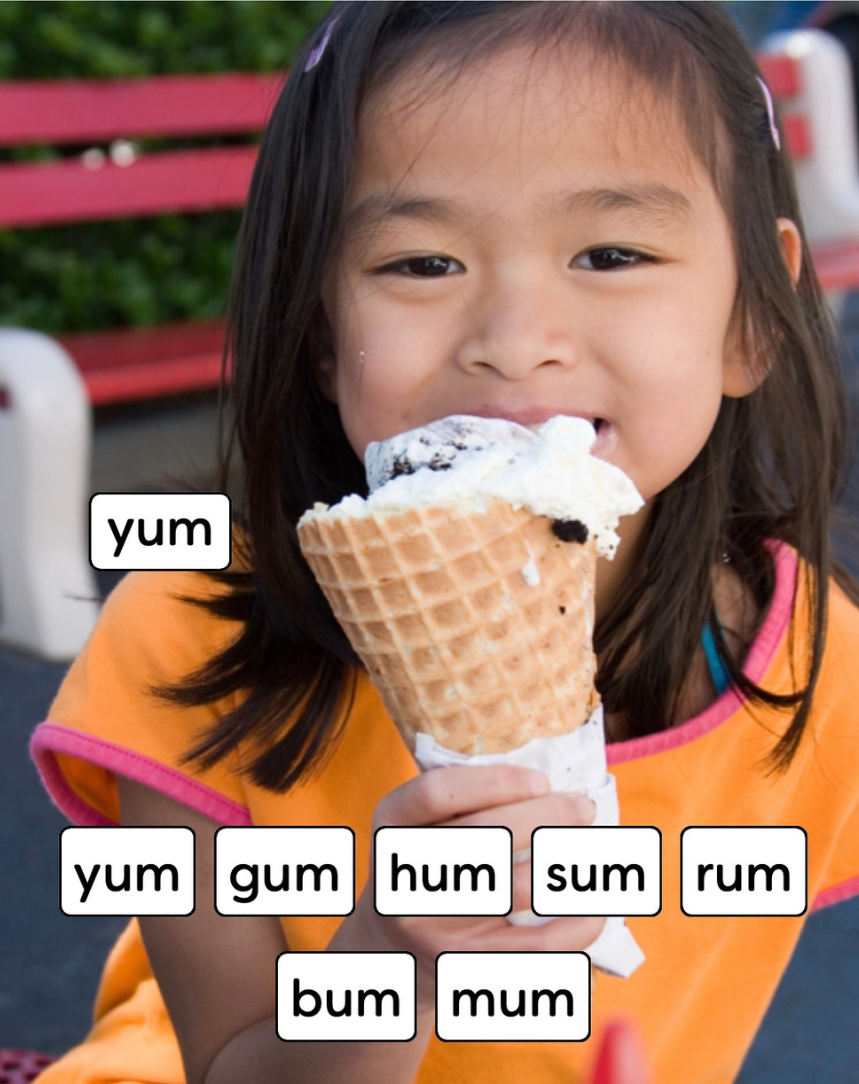
Here’s what that can look like in practice:
Why Personalized Books Can Make Reading Click
One of the biggest challenges with early reading is engagement.
If a book feels unfamiliar or disconnected, children are less likely to stick with it. But when a book reflects their own world, something shifts.
That’s where personalized reading experiences can make a difference.
When children see their own photos, their own people, and their own everyday life in a book, reading feels more meaningful. They’re more willing to come back to it, and that repetition is what builds real skill.
At the same time, the text still needs to be structured in a way that supports decoding. When both pieces come together, engagement and learning reinforce each other.
A Simple Way to Get Started
If you’re curious what this could look like for your child, you can explore personalized phonics books that use your child’s own photos to make reading feel familiar and approachable.
You can learn more or create your first book here:
Download the We Can Books App